The Evolution of Energy Players: What Is the Difference Between Engie and Enedis in the Age of Grid Modernisation?
As France accelerates its journey toward a smarter and more sustainable electricity infrastructure, understanding the roles of different energy stakeholders has never been more essential. The landscape of power provision and distribution involves multiple entities, each with specific responsibilities that collectively ensure millions of homes and businesses stay connected. Among these players, two names frequently emerge in discussions about the French energy ecosystem, yet their functions remain widely misunderstood by the general public. Clarifying the distinction between these organisations is vital for consumers navigating billing queries, service interruptions, or sustainable energy choices in an era defined by rapid grid modernisation and ambitious climate targets.
Understanding the Distinct Roles: Engie as Energy Supplier and Enedis as Network Operator
At the heart of the confusion lies a fundamental difference in purpose. Engie operates primarily as an energy supplier, a commercial enterprise responsible for selling electricity and gas to residential, commercial, and industrial clients across France and beyond. Its origins trace back to the early nineteenth century, with a rich history linked to major energy developments across Europe. The company underwent a significant transformation through its merger with Suez in 2008, reshaping its identity into a prominent global energy provider. Today, Engie operates in 30 countries with over 90,000 employees, focusing on renewable energy production, energy supply, and infrastructure development. The company emphasises customer support, investor relations, and partnerships across various sectors, positioning itself as a key player in the global energy transition.
Engie's commercial operations: from gdf suez to modern energy solutions
Engie's evolution from Gaz de France into a multinational energy giant reflects broader shifts in how energy is produced, sold, and consumed. Historically connected to the creation of GDF and subsequent investment in international energy projects, the company has continuously adapted its offerings to meet changing market demands. Today, Engie provides diverse energy solutions at various rates, including sustainable options designed to appeal to environmentally conscious consumers. These offerings reflect a strategic pivot toward decarbonisation and reducing carbon dioxide emissions, with the company committing to a net-zero carbon target by 2045. This ambitious goal involves a reduction plan targeting an average investment of 10 billion euros yearly for energy improvements, underscoring the scale of transformation required to align with a carbon-neutral economy. Engie's focus on the energy transition encompasses not only the sale of electricity and gas but also the development of renewable energy infrastructure, energy efficiency programmes, and innovative technologies such as Eva, their artificial intelligence assistant designed to enhance customer interactions.
Enedis's infrastructure mandate: managing france's electricity distribution grid
In contrast, Enedis assumes a completely different role within the energy ecosystem. Rather than selling energy directly to consumers, Enedis is tasked with managing the physical electricity distribution network that delivers power from generation sources to homes and businesses. This responsibility includes maintaining the grid, responding to outages, installing and managing meters, and ensuring the reliable flow of electricity regardless of which supplier a customer chooses. Enedis operates under a regulated framework, meaning its activities and charges are overseen by national authorities to guarantee equitable access and consistent service quality across France. The company's work is largely invisible to consumers during normal operations, yet it becomes critically important during power interruptions, meter installations, or infrastructure upgrades. As France pursues grid modernisation initiatives, Enedis plays a pivotal role in deploying smart meters, integrating renewable energy sources, and enhancing grid resilience to accommodate the growing complexity of distributed generation and fluctuating demand patterns.
Pricing Models and Service Frameworks: How Engie and Enedis Serve Consumers Differently
The financial relationship consumers have with these two entities reflects their distinct functions. Understanding how each organisation structures its charges and services is essential for making informed decisions about energy consumption and expenditure.
Engie's competitive tariff structures and sustainable energy offerings
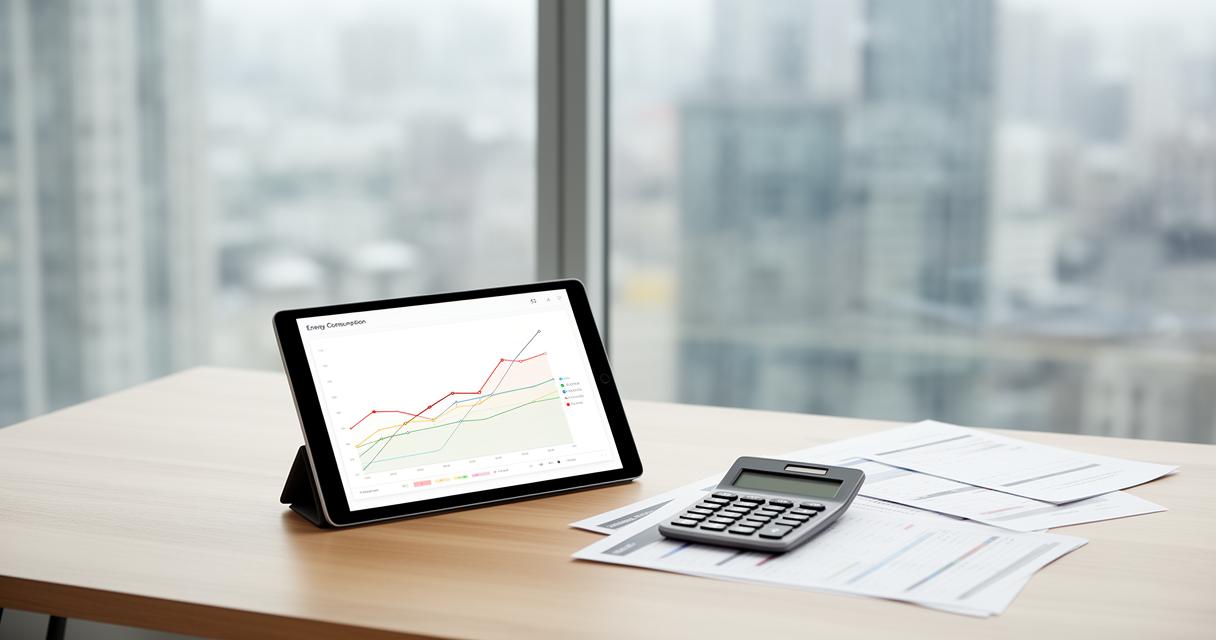
Engie operates in a competitive market environment where it must attract and retain customers through compelling offers, competitive pricing, and value-added services. The company provides a range of subscription models tailored to different consumer needs, from fixed-rate contracts that offer price stability to variable-rate plans that fluctuate with market conditions. Engie also emphasises sustainable energy options, allowing customers to select tariffs that prioritise renewable sources or offset carbon emissions. This commercial flexibility is a hallmark of energy suppliers, who compete on price, customer service, contract terms, and brand reputation. Engie's emphasis on customer support extends to digital tools and platforms, including their Eva AI assistant, which facilitates account management, billing inquiries, and service requests. The company's investor relations activities and global presence further underscore its position as a market-driven enterprise focused on growth, profitability, and shareholder value alongside its environmental commitments.
Enedis's regulated distribution charges and network maintenance responsibilities
Enedis, by contrast, operates under a regulated tariff system where charges are determined by national energy authorities rather than market competition. These regulated rates cover the costs of maintaining and upgrading the distribution network, responding to service interruptions, and ensuring universal access to electricity infrastructure. Consumers pay these distribution charges as part of their overall electricity bill, regardless of which supplier they choose. This regulatory framework ensures that network maintenance and expansion are funded equitably across all users and that Enedis does not exploit its monopoly position. The company's responsibilities extend to technical aspects such as installing smart meters, managing grid connections for new renewable energy installations, and coordinating with transmission operators to balance supply and demand. Unlike Engie, Enedis does not compete for customers or offer promotional tariffs. Its mandate is purely operational and infrastructural, focused on delivering reliable, safe, and efficient electricity distribution throughout France.
Making Informed Energy Choices: Navigating the Engie-Enedis Relationship in France's Modernising Grid
For consumers, understanding when and how to engage with Engie versus Enedis is crucial for resolving issues efficiently and optimising energy choices. Confusion between these entities can lead to misdirected inquiries, billing disputes, and unnecessary frustration.
Customer touchpoints: when to contact engie versus enedis
Engie should be contacted for all matters related to energy supply, including billing questions, tariff changes, contract modifications, and switching suppliers. As the commercial entity, Engie manages customer accounts, processes payments, and provides support for energy efficiency programmes or renewable energy options. In contrast, Enedis is the appropriate point of contact for issues related to the physical network, such as power outages, meter malfunctions, new connections, or grid upgrades. If a customer experiences a service interruption, Enedis is responsible for diagnosing and repairing faults in the distribution infrastructure. Understanding this division of responsibility helps streamline problem resolution and ensures that inquiries reach the correct organisation. Both entities maintain customer service channels, but the nature of assistance provided differs fundamentally based on their respective roles.
The Future of Energy Distribution: How Both Entities Contribute to Grid Modernisation
As France pursues ambitious climate goals and invests in renewable energy infrastructure, both Engie and Enedis play complementary roles in the energy transition. Engie's commitment to decarbonisation and its net-zero carbon target by 2045 align with national and European objectives to reduce greenhouse gas emissions and promote sustainable energy sources. The company's investments in renewable energy production, energy efficiency, and innovative technologies contribute to the broader transformation of the energy sector. Meanwhile, Enedis's infrastructure mandate ensures that the distribution network can accommodate the integration of distributed renewable generation, manage bidirectional power flows, and support the electrification of transport and heating. The deployment of smart meters and advanced grid management technologies enhances visibility, flexibility, and resilience, enabling more efficient use of renewable resources and reducing the carbon intensity of electricity consumption. Together, these organisations exemplify the multifaceted nature of the energy transition, where commercial innovation and regulatory oversight converge to deliver a cleaner, more reliable, and more sustainable energy future for all.
 Exploring the scilly islands: a hiker’s dream destination
 Essential tips for planning your next adventure
 Innovative home decoration ideas to personalize your space
 How to Stay Updated: Navigating News Sections Effectively in a Polarized Media Landscape
 How technology can improve your daily life with practical advice
 Discover the Latest Updates from Your Favorite News Outlet
Recent Comments